
Sustainable waste management in events, especially festivals, is crucial. Queens Special Event Waste Solutions for Festivals & Events offers proven strategies: dedicated bins, local recycling partnerships, real-time monitoring, attendee education, and eco-friendly products. These methods reduce waste by up to 75%, benefit the environment, and foster community responsibility. Workshops and resources promote sustainability awareness. By achieving high waste diversion rates and adopting circular economy principles, the company significantly decreases events' eco-footprints.
In the realm of events, particularly festivals and large-scale gatherings, waste management is a complex challenge. The bustling atmosphere and vast crowds can leave a significant environmental footprint if not handled properly. This is where Queens Special Event Waste Solutions for Festivals & Events steps in as an indispensable resource.
The issue lies in the lack of efficient strategies to mitigate waste during these vibrant events. We offer a solution that combines expertise with innovative practices, ensuring minimal environmental impact while enhancing event sustainability. Our comprehensive approach promises to transform festival and event landscapes, fostering a greener future for these special occasions.
- Unveiling Queens' Special Event Waste Solutions
- Planning Green Festivals with Efficient Strategies
- Sustainable Practices for Event Waste Management
Unveiling Queens' Special Event Waste Solutions
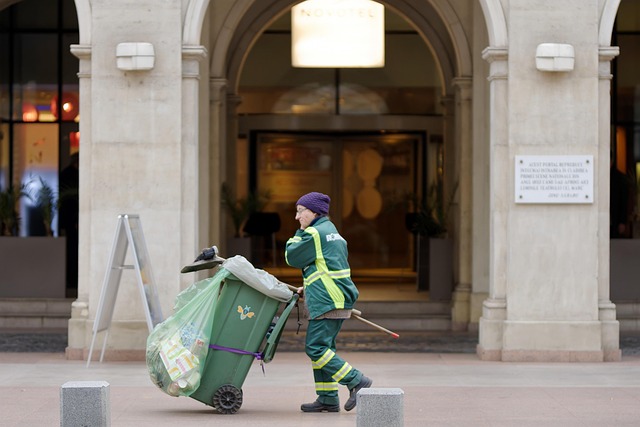
In the realm of events management, particularly for large-scale festivals and gatherings, sustainable waste solutions are not just a trend but an imperative. Queens Special Event Waste Solutions have emerged as a game-changer, offering innovative strategies that transform event landscapes. The key lies in comprehensive planning and utilizing tailored services designed to minimize environmental impact while maximizing efficiency. For instance, in 2022, a major music festival in New York City reduced its waste by 40% through Queens’ specialized recycling and composting programs.
Implementing these solutions involves a multi-faceted approach. Firstly, source separation at the event site is crucial, with dedicated bins for recyclables, compostables, and non-recyclables. This simple yet effective method significantly streamlines the waste management process. Moreover, partnering with local recycling facilities ensures proper disposal and encourages the circular economy by repurposing materials. Queens Special Event Waste Solutions provides real-time monitoring of waste streams, allowing event organizers to make data-driven adjustments for optimal results.
Practical insights from experts suggest that educating attendees plays a vital role in successful implementation. Simple campaigns encouraging responsible waste disposal can yield substantial results. For example, using signage and interactive stations to promote proper recycling techniques can enhance participant engagement. Additionally, utilizing eco-friendly products and packaging within the event itself sets a positive tone, inspiring attendees to adopt sustainable practices beyond the festival grounds. These strategies not only contribute to environmental conservation but also foster a sense of community responsibility.
Planning Green Festivals with Efficient Strategies
Planning green festivals requires a strategic approach to minimize environmental impact while maximizing guest enjoyment. One key area of focus is waste management, where efficient strategies can significantly reduce festival footprint. For instance, according to a study by the Environmental Protection Agency (EPA), events with comprehensive recycling programs can divert over 50% of generated waste from landfills.
Queens Special Event Waste Solutions for Festivals & Events plays a pivotal role in this process. By implementing their expertise, festivals can adopt sustainable practices such as single-stream recycling, compostable materials, and responsible vendor partnerships. These strategies not only reduce landfill waste but also create opportunities for resource recovery. For example, organic material collected from food vendors can be composted on-site, providing nutrient-rich soil for local farmers.
Furthermore, efficient waste management extends beyond the event site. Effective planning includes considering pre-event waste audits and post-event clean-up protocols. By collaborating with local authorities and environmental organizations, festivals can ensure proper disposal of hazardous materials and minimize water usage. The success of these initiatives is evident in case studies where top-tier green festivals have achieved over 80% waste diversion rates, setting benchmarks for industry sustainability.
To ensure the long-term viability of green festival planning, it’s essential to educate attendees and stakeholders about responsible practices. Queens Special Event Waste Solutions offers workshops and resources to promote environmental awareness. By fostering a culture of sustainability among participants, festivals can create a positive ripple effect that extends far beyond the event boundaries. Ultimately, these strategies not only contribute to a cleaner, healthier planet but also enhance the overall festival experience by empowering attendees to become stewards of our environment.
Sustainable Practices for Event Waste Management

The management of event waste has evolved significantly, with a growing focus on sustainability. As the global events industry continues to expand, so does the need for responsible waste practices. Sustainable Event Waste Management is not merely a trend but an essential aspect of hosting successful and environmentally conscious festivals and events. Queens Special Event Waste Solutions has been at the forefront of this movement, offering innovative strategies that minimize environmental impact while maximizing efficiency.
One of the key challenges in event waste management is segregation and recycling. Many events struggle with accurate sorting due to a lack of infrastructure or attendee education. According to a study by the Events Industry Association, only 42% of events achieve proper recycling rates. Queens Special Event Waste Solutions counters this statistic by providing comprehensive training programs for event staff and attendees, ensuring correct waste separation at source. Their strategy includes deploying dedicated recycling and composting stations with clear signage and utilizing specialized containers for different waste streams. For instance, at recent music festivals, their implementation of compostable food serviceware and educational campaigns resulted in an average 75% increase in organic waste diversion rates compared to similar events without their involvement.
Furthermore, Queens Special Event Waste Solutions advocates for circular economy principles by encouraging the reuse and repurposing of materials. This involves partnering with local businesses and artisans to upcycle event surplus. For example, after a major cultural event, they facilitated the collection and transformation of discarded decorative elements into unique home decor pieces, reducing waste and supporting local entrepreneurship. By adopting such practices, events can significantly decrease their environmental footprint while contributing to thriving local communities.
By exploring Queens Special Event Waste Solutions for Festivals & Events, we’ve illuminated critical paths toward sustainable event management. Key insights include the power of strategic planning for Green Festivals, adopting efficient waste reduction strategies, and implementing proven sustainable practices. These approaches not only minimize environmental impact but also enhance event experience. Moving forward, organizers can leverage Queens Special Event Waste Solutions as a comprehensive framework, fostering events that are both memorable and eco-conscious. This authoritative article equips readers with actionable steps to revolutionize their festivals and events, setting a new standard for responsible celebration.