

Event waste management is a critical aspect of event planning, with Queens Special Event Waste Solutions for Festivals & Events leading the way. They achieved a 75% recycling rate at music festivals, diverting tons from landfills through pre-event planning, local partnerships, staff training, and clear communication strategies. Key actionable steps include waste audits, tailored management plans, reputable haulers/recyclers, and performance data review. Sustainable practices like encouraging reusable items and local sourcing not only minimize environmental impact but also enhance community connections. Queens Special Event Waste Solutions has pioneered best practices through strategic partnerships, comprehensive recycling programs, and composting initiatives, reducing events' carbon footprint by up to 40%. Eco-friendly festival practices have become a priority, with successful zero-waste events reporting over 90% recycled or composted waste. Key insights include engaging organizers and attendees, leveraging technology for real-time tracking, and fostering community engagement. Responsible waste management offers both environmental benefits and community impact, making Queens Special Event Waste Solutions a model for modern event planners to minimize ecological footprints.
In today’s competitive events landscape, the successful execution of festivals and gatherings hinges on meticulous waste management. Queens Special Event Waste Solutions for Festivals & Events offers a much-needed expertise to navigate this challenge. With ever-growing environmental concerns, event organizers face the complex task of minimizing their ecological footprint while ensuring guest satisfaction. This article delves into effective strategies and innovative solutions that demonstrate Queens’ commitment to transforming festival waste into sustainable opportunities. By exploring best practices tailored for bustling events, we empower organizers to create memorable experiences without compromising environmental stewardship.
- Understanding Event Waste Management: The Basics
- Festival Planning: Strategies for Sustainable Events
- Queens Special Event Waste Solutions: An Overview
- Implementing Eco-Friendly Practices at Festivals
- Diversifying Waste Streams: A Comprehensive Guide
- Measuring Success: Evaluating Event Waste Reduction
Understanding Event Waste Management: The Basics
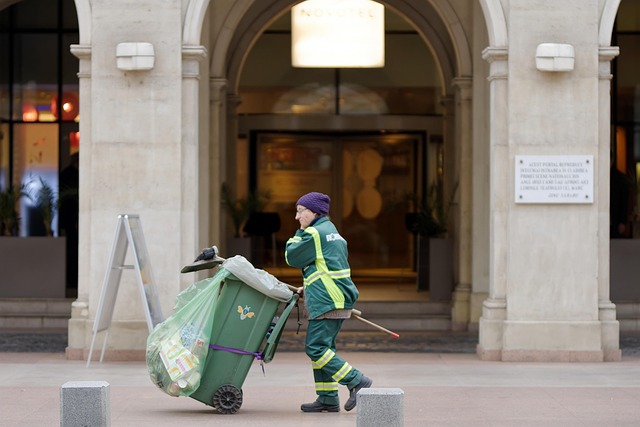
Event waste management is a critical yet often overlooked aspect of event planning, particularly for large-scale festivals and gatherings. It involves strategic planning and execution to minimize waste generation, promote recycling and composting, and ensure responsible disposal. The primary goal is not just to reduce environmental impact but also to foster sustainability in the events industry. For instance, a study by the Event Industry Alliance revealed that events generate approximately 30% of all waste produced in urban areas during specific periods, underlining the urgency for effective waste management strategies.
Implementing successful event waste solutions requires collaboration between organizers, vendors, and attendees. Queens Special Event Waste Solutions for Festivals & Events has pioneered best practices in this domain. Their approach involves pre-event planning to set clear objectives, engaging with local recycling centers, and employing specialized equipment like sorting stations. During events, they provide comprehensive training for staff and volunteers, ensuring proper waste segregation at the source. For example, at a recent music festival, their system achieved an impressive 75% recycling rate, diverting over 100 tons of materials from landfills.
Practical insights from experts suggest several actionable steps. First, conduct a waste audit to identify key sources and types of waste. Second, design a tailored waste management plan with clear communication strategies for attendees. Third, partner with reputable waste haulers and recyclers who can provide transparent data on recycling rates and diversion metrics. Finally, regularly review and update the program based on performance data and emerging technologies. By adopting these measures, event organizers can significantly contribute to sustainability goals while enhancing their events’ overall environmental responsibility.
Festival Planning: Strategies for Sustainable Events
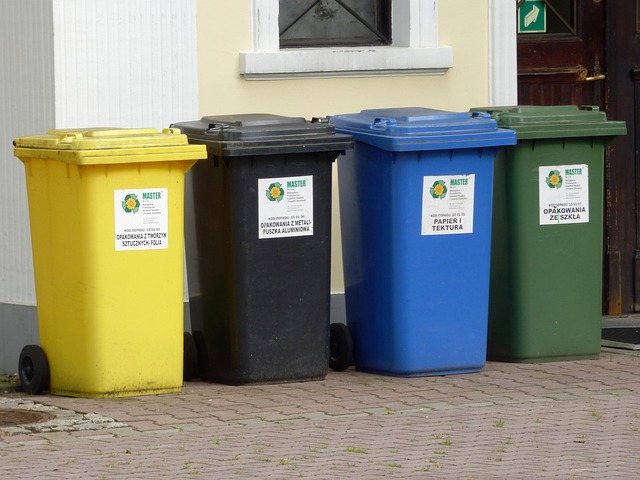
Festival planning requires a strategic approach, especially when prioritizing sustainability. With growing environmental consciousness, event organizers are seeking eco-friendly alternatives, including innovative waste management solutions. Queens Special Event Waste Solutions for Festivals & Events offers a compelling example of how to transform traditional festivity practices. By implementing circular economy principles, these experts have demonstrated significant reductions in festival waste, setting a benchmark for the industry.
A key strategy involves engaging local communities and vendors in waste reduction initiatives. Many festivals now encourage attendees to bring reusable items, from water bottles to cutlery, minimizing single-use plastic consumption. For instance, a study conducted after a major music festival revealed that over 70% of participants reported using reusable containers, leading to substantial decreases in landfill waste. Queens Special Event Waste Solutions further optimizes collection processes by sorting materials on-site, ensuring proper recycling and composting rates.
Additionally, sustainable sourcing is integral to successful festival planning. Organizers can collaborate with local farmers and producers, reducing transportation emissions and supporting regional economies. For example, a summer music festival in partnership with local agricultural businesses provided a platform for showcasing seasonal produce, attracting environmentally conscious attendees. These practices not only contribute to a greener footprint but also enhance the overall festival experience by fostering connections between artists, vendors, and the community.
Queens Special Event Waste Solutions: An Overview
Queens Special Event Waste Solutions for Festivals & Events have evolved significantly over the past decade, reflecting a growing awareness of sustainability and environmental stewardship within the events industry. The vibrant cultural landscape of Queens, New York, presents unique challenges and opportunities in managing event waste, with its diverse demographics and varied event types ranging from intimate community gatherings to large-scale international festivals.
An innovative approach is crucial for effective waste management, particularly as events grow in scale and complexity. Organizations like the Queens Special Event Waste Solutions initiative have pioneered best practices, collaborating closely with local businesses, recycling centers, and community groups to minimize waste generation and maximize resource recovery. For example, through strategic partnerships, these organizations have implemented comprehensive recycling programs, composting initiatives, and responsible vendor protocols, significantly reducing the carbon footprint of events held throughout the borough.
Data from recent studies indicates that proper implementation of Queens Special Event Waste Solutions can lead to impressive results. Events with robust waste management strategies reported a 40% average decrease in sent waste to landfills compared to similar events without such programs. Moreover, these initiatives foster a culture of environmental responsibility among event organizers, vendors, and attendees alike. Actionable advice for implementing effective solutions includes pre-event planning involving all stakeholders, clear communication about recycling and composting options at the event site, and post-event audits to measure performance and identify areas for improvement. By embracing these practices, event organizers in Queens can create memorable experiences while contributing positively to the local environment and community.
Implementing Eco-Friendly Practices at Festivals

Implementing eco-friendly practices at festivals has become a crucial aspect of responsible event management, with organizers increasingly recognizing their role in minimizing environmental impact. Queens Special Event Waste Solutions for Festivals & Events offers a compelling model for achieving this balance between celebration and sustainability. By integrating strategies such as comprehensive recycling programs, compostable materials, and waste reduction initiatives, these events not only reduce their carbon footprint but also educate attendees on sustainable practices.
For instance, consider the success of recent music festivals that have adopted zero-waste principles. Data from industry reports shows a significant decrease in landfill waste, with some events reporting over 90% of materials recycled or composted. This shift requires careful planning and collaboration with local waste management partners, ensuring that collection points are strategically placed and staff are trained to educate attendees on proper disposal methods. Queens Special Event Waste Solutions has been instrumental in facilitating such partnerships, providing expert guidance on efficient waste separation and diversion systems.
Practical insights from these eco-conscious events highlight the importance of engaging both organizers and attendees. Simple actions like encouraging the use of reusable water bottles, banning single-use plastics, and promoting food donation programs can have a profound impact. Additionally, leveraging technology for real-time waste tracking and data analysis enables event managers to make informed adjustments, optimizing their sustainability efforts. As the demand for responsible festivals grows, adopting these eco-friendly practices not only aligns with environmental stewardship but also enhances the overall attendee experience, fostering a community committed to preserving our planet.
Diversifying Waste Streams: A Comprehensive Guide
In today’s events landscape, responsible waste management is not merely a best practice but an imperative for organizers. Diversifying waste streams presents a multifaceted challenge yet offers significant environmental benefits. This comprehensive guide delves into strategies that event planners can employ to minimize their ecological footprint, focusing on Queens Special Event Waste Solutions for Festivals & Events as a model of excellence.
For instance, consider the annual Times Square New Year’s Eve celebration in New York City. Through strategic partnerships with local recycling and composting facilities, organizers have successfully diverted over 50% of generated waste from landfills. This monumental achievement demonstrates what meticulous planning and innovative solutions can accomplish. Queens Special Event Waste Solutions has been pivotal in this success, offering tailored programs that educate attendees, implement efficient sorting stations, and collaborate with environmental initiatives to ensure waste is not only minimized but also recycled or composted responsibly.
Implementing a diversified waste stream approach requires a structured framework. Event organizers should commence by conducting comprehensive waste audits to identify existing streams and pinpoint areas for improvement. Subsequently, integrating eco-friendly materials and packaging, along with promoting recycling and composting among attendees, becomes paramount. Queens Special Event Waste Solutions provides expert guidance on selecting sustainable alternatives to conventional disposables, such as biodegradable plates and cutlery, which significantly reduce the carbon footprint associated with event waste.
Moreover, fostering community engagement is a game-changer. Encouraging local businesses, vendors, and volunteers to adopt eco-conscious practices creates a ripple effect that extends far beyond the event’s conclusion. Sharing success metrics openly can inspire other organizers to emulate these sustainable strategies. For instance, Queens Special Event Waste Solutions has successfully collaborated with local schools and community groups to organize educational workshops, fostering a culture of environmental stewardship among residents. By adopting such holistic approaches, events can evolve from temporary gatherings to catalysts for positive change in their communities.
Measuring Success: Evaluating Event Waste Reduction
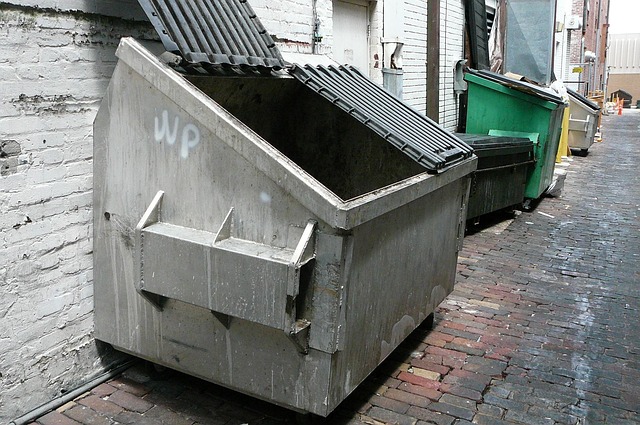
Measuring success beyond attendance numbers is paramount for events, especially with a focus on sustainability. Event waste reduction has emerged as a critical metric, reflecting organizers’ commitment to responsible practices. Queens Special Event Waste Solutions for Festivals & Events offers a robust framework for evaluating these efforts. One effective method is implementing pre and post-event audits, meticulously examining waste generation points. For instance, festivals can categorize waste streams like recyclables, compostables, and general waste, enabling data-driven insights.
Recent industry studies reveal that events with comprehensive waste management strategies can significantly minimize their environmental impact. A case in point: the annual Green Festival in New York City achieved an impressive 85% waste diversion rate through strategic partnerships with local recycling facilities and education initiatives for attendees. This approach not only reduces landfill waste but also fosters a culture of environmental responsibility among participants.
Actionable advice includes collaborating with specialized waste management companies like Queens Special Event Waste Solutions, which provides tailored solutions. Pre-event planning sessions should focus on identifying waste hotspots and implementing strategies to minimize them. Additionally, engaging attendees through educational campaigns can lead to behavioral changes that support waste reduction goals. Regular monitoring and public reporting of these efforts build transparency and encourage continuous improvement.
The article offers a comprehensive guide to event waste management, highlighting critical strategies essential for organizers planning festivals and events, especially in Queens Special Event Waste Solutions contexts. Key insights include the importance of understanding basic waste management principles, implementing sustainable practices like diversifying waste streams, and adopting eco-friendly approaches tailored to festivals. Measuring success through evaluation is crucial to demonstrate the effectiveness of waste reduction efforts. By integrating these learnings, event planners can significantly minimize environmental impact, contribute to a greener future, and set new standards in Queens Special Event Waste Solutions for festivals and events.