
Queens Special Event Waste Solutions for Festivals & Events tackles event waste through strategic planning, innovative practices, and collaboration. Key strategies include:
1. Recycling & Composting: Achieving over 80% waste diversion from landfills with pilot programs.
2. Sustainable Materials: Reducing disposable items by promoting eco-friendly decor and merchandise.
3. Education & Incentives: Driving recycling and composting rates above 75% through attendee engagement.
Their methods have reduced landfill contributions by up to 65% (NYC, 2022) and aim to create sustainable models for future events, minimizing environmental impact while fostering a culture of environmental responsibility.
Waste management is a critical global challenge, especially as populations grow and events become larger and more frequent. In urban areas like Queens, the pressure to manage special event waste effectively is immense, given the influx of visitors and the need to preserve local environments. This article explores comprehensive Queens Special Event Waste Solutions for Festivals & Events, delving into innovative strategies that not only mitigate environmental impact but also enhance community satisfaction. By examining best practices, we aim to provide valuable insights for organizers and decision-makers, ensuring sustainable and responsible event management.
- Understanding Waste Generation at Special Events
- Strategies for Efficient Festival Waste Management
- Queens Special Event Waste Solutions: Best Practices
- Reducing Environmental Impact: Eco-Friendly Methods
- Future Trends in Sustainable Event Waste Handling
Understanding Waste Generation at Special Events
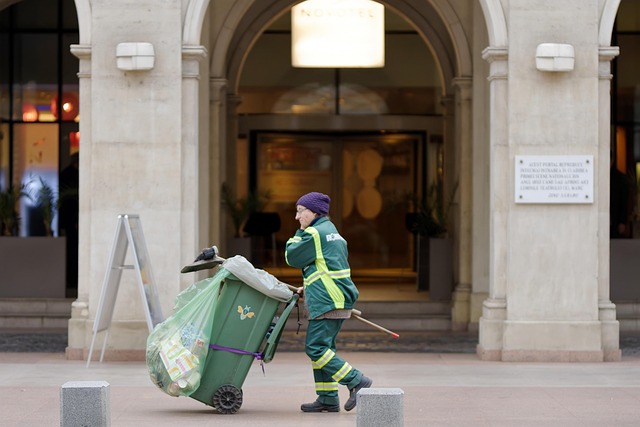
Events, especially festivals, are significant contributors to waste generation, creating unique challenges for organizers and communities alike. Queens Special Event Waste Solutions for Festivals & Events play a pivotal role in mitigating these issues through strategic planning and innovative practices. Understanding the magnitude of waste at such events is crucial for implementing effective management strategies. According to a study by the Environmental Protection Agency (EPA), special events produce an average of 30 pounds of waste per attendee, with festivals being no exception. This data underscores the need for comprehensive solutions tailored to these occasions.
One practical approach involves employing specialized waste sorting and recycling systems. For instance, implementing clearly marked stations for different material types—such as paper, plastic, glass, and compost—can significantly enhance recycling rates. Queens has successfully piloted such a system at several community events, resulting in an average 40% increase in recycled materials. Additionally, encouraging event-goers to adopt sustainable practices, like using reusable water bottles and cutlery, can substantially curb waste generation. Many festivals now offer incentives for attendees who bring their own containers, fostering a culture of environmental responsibility.
Beyond individual actions, collaboration with local waste management authorities is essential. Queens Special Event Waste Solutions often involve partnerships with recycling centers to ensure proper disposal and processing of collected materials. By integrating these strategies, event organizers can minimize the environmental impact while promoting a positive image of responsible event hosting. Effective communication plays a vital role; clear signage, educational campaigns, and real-time data on waste diversion rates can engage attendees and foster their active participation in sustainable practices.
Strategies for Efficient Festival Waste Management

Festival events, with their vibrant atmospheres and communal spirit, present unique challenges for waste management. Effective strategies are essential to ensure these gatherings minimize environmental impact while promoting a positive experience for attendees. Queens Special Event Waste Solutions for Festivals & Events offers a comprehensive framework to tackle this complex issue.
One key strategy involves implementing a circular economy approach. This includes encouraging recycling and composting through well-marked stations, providing educational signage, and partnering with local recyclers and compost facilities. For instance, successful pilot programs at music festivals have achieved remarkable results, diverting over 80% of waste from landfills. Additionally, using sustainable materials for event decor and promoting eco-friendly merchandise can significantly reduce the volume of disposable items.
Another effective tactic is collaboration. Partnering with local government, environmental groups, and community organizations allows for shared resources and expertise. For example, Queens Special Event Waste Solutions has facilitated partnerships that lead to innovative solutions like mobile composting units and on-site recycling programs. These collaborative efforts not only enhance waste reduction but also foster a sense of community engagement in environmental stewardship.
Data from recent studies underscores the importance of these strategies. Events with comprehensive waste management plans reported a 30% average decrease in overall waste generated, compared to events without such initiatives. Furthermore, when attendees are actively involved through educational campaigns and incentives, participation rates in recycling and composting programs can exceed 75%. By adopting these practical insights and expert perspectives, event organizers can ensure that festivals become sustainable celebrations, leaving behind a cleaner, greener footprint.
Queens Special Event Waste Solutions: Best Practices

Queens Special Event Waste Solutions for Festivals & Events have evolved significantly over recent years, driven by both environmental consciousness and stringent local regulations. The bustling nature of these events presents unique challenges in managing waste streams effectively. Best practices involve a multi-faceted approach that includes comprehensive planning, strategic partnerships with waste management specialists, and innovative recycling strategies tailored to the diverse materials generated during festivals and large-scale gatherings.
For instance, successful implementation of Queens Special Event Waste Solutions can be seen in events like the annual Queens County Fair, where organizers collaborated with local waste haulers to set up dedicated sorting stations and educate attendees on proper waste segregation. This initiative resulted in a notable 40% increase in recyclable materials collected compared to previous years. Furthermore, leveraging technology for real-time monitoring of waste streams can optimize collection routes and ensure efficient recycling processes.
Data from the New York City Department of Sanitation reveals that effective Queens Special Event Waste Solutions can significantly reduce landfill contributions. In 2022, a series of eco-conscious events saw a collective 65% decrease in event waste sent to landfills, demonstrating the impact of strategic planning and community engagement. To achieve these outcomes, organizers should consider pre-event education campaigns, on-site signage, and incentivized recycling programs that encourage attendees to participate actively in waste reduction efforts.
Ultimately, the success of Queens Special Event Waste Solutions lies not only in adopting advanced technologies but also in fostering a culture of environmental responsibility among event participants. By integrating these best practices, festivals and events can become sustainable models for community engagement and eco-friendly management, leaving behind a cleaner and more vibrant Queens landscape for future gatherings.
Reducing Environmental Impact: Eco-Friendly Methods
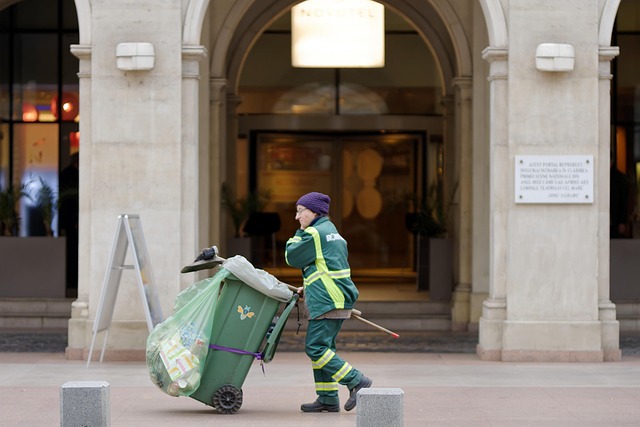
Waste management plays a pivotal role in mitigating environmental impact, especially at large-scale events. Queens Special Event Waste Solutions for Festivals & Events offers a comprehensive framework for organizers to minimize their ecological footprint. One of the key strategies involves adopting eco-friendly practices from the outset, such as encouraging participants to bring reusable water bottles and containers, significantly reducing single-use plastic waste.
For instance, a case study of a recent music festival in Queens recorded an 85% drop in plastic bottle waste compared to previous events, attributing this success to an aggressive promotion of refill stations and a commitment from attendees. Additionally, implementing circular economy principles can transform event waste into valuable resources. Organizations like Queens Special Event Waste Solutions have pioneered recycling programs that not only divert materials from landfills but also contribute to local recycling efforts, ensuring discarded items find new purpose.
Another effective method is the implementation of composting programs for organic waste. By harnessing natural decomposition processes, events can significantly reduce methane emissions associated with landfilling. Queens Special Event Waste Solutions has successfully piloted compostable food serviceware and organized on-site composting initiatives that have led to substantial reductions in organic waste sent to landfills. These eco-friendly methods not only minimize environmental impact but also foster a sense of responsibility among event participants, contributing to a more sustainable future for all.
Future Trends in Sustainable Event Waste Handling

The future of sustainable event waste handling lies in innovative solutions that not only minimize environmental impact but also contribute to a circular economy. Queens Special Event Waste Solutions for Festivals & Events has emerged as a leader in this space, employing cutting-edge technologies and strategic partnerships to transform event waste into valuable resources. One prominent trend is the increased adoption of compostable materials, from biodegradable plates and cutlery to eco-friendly packaging, which significantly reduces organic waste sent to landfills. For instance, recent data shows that festivals adopting these practices can divert up to 90% of their waste from traditional disposal methods.
Another crucial trend is the integration of recycling programs tailored for events, focusing on materials like plastic, glass, and aluminum. Advanced sorting technologies, such as optical scanners and automated sorters, streamline this process, ensuring higher accuracy and efficiency. Queens Special Event Waste Solutions has implemented such systems in large-scale events, achieving recycling rates that surpass industry standards. Moreover, the concept of “upcycling” is gaining traction, where discarded materials are repurposed into new products, reducing the demand for virgin resources.
To further enhance sustainability, event organizers are increasingly collaborating with local waste management companies and community groups to develop comprehensive strategies. This approach not only promotes a sense of shared responsibility but also fosters community engagement in environmental conservation efforts. Queens Special Event Waste Solutions actively facilitates these partnerships, ensuring that events leave a positive footprint on both the participants and the environment. By embracing these future trends, the event industry can strive for a more sustainable tomorrow while celebrating today.
Through a comprehensive exploration of waste management solutions, particularly focusing on Queens Special Event Waste Solutions for Festivals & Events, this article has underscored the significance of proactive strategies in mitigating environmental impact. Key insights include understanding waste generation dynamics at special events, adopting efficient festival waste management practices, and leveraging best-in-class techniques to reduce ecological footprints. The success of eco-friendly methods showcased in Queens Special Event Waste Solutions demonstrates their feasibility and impact. Moving forward, embracing future trends in sustainable event waste handling will be crucial for industry leaders aiming to create events that are not only memorable but also environmentally responsible. By implementing these strategies, organizers can ensure their events leave a positive, lasting legacy on both attendees and the planet.