

Understanding waste generation at events is crucial for developing effective Queens Special Event Waste Solutions for Festivals & Events. Key insights include:
– Events produce significant waste (100-250 lbs/person), with music festivals generating 80% recyclable, 15% organic, and 5% non-recyclable materials.
– Proper planning, including recycling promotion, eco-friendly materials, and local partnerships, mitigates environmental impact.
– Queens Pride Parade's zero-waste policy reduced landfill waste by 40%.
– Engaging community and businesses encourages responsible practices like bringing reusable containers.
– Comprehensive Queens Special Event Waste Solutions incorporate audits, separate collection points, incentives for eco-friendly behavior, on-site technologies, and collaboration with local authorities to significantly reduce landfill contributions.
– Best practices include recycling programs, source separation, collaborations with specialized vendors, digital education platforms, and using eco-friendly materials.
– Effective waste management can divert over 70% of event waste from landfills, as shown by EcoFest's success.
– Continuous improvement is measured through diversion rates (over 50% potential diversion), demonstrated by the 2019 Queens County Fair's 65% rate.
– Practical steps for planners include real-time waste monitoring, staff training, and data collection to optimize strategies.
Waste management is a pressing global challenge, particularly during special events like festivals and gatherings. As communities host more vibrant celebrations, efficient and sustainable waste solutions become indispensable. This is where Queens Special Event Waste Solutions for Festivals & Events step in as experts, offering tailored strategies to mitigate environmental impact.
The problem of waste accumulation at large-scale events is well documented, with conventional methods often falling short. We present innovative approaches that not only address this issue but also foster a culture of responsible event planning and minimal ecological footprint. Our solutions are designed to empower organizers and attendees alike, ensuring memorable experiences while preserving our planet’s resources for future generations.
- Understanding Waste Generation at Events
- Strategies for Efficient Festival Waste Management
- Queens Special Event Waste Solutions: Best Practices
- Implementing Eco-Friendly Disposal Systems
- Measuring and Enhancing Sustainability Post-Event
Understanding Waste Generation at Events

Understanding Waste Generation at Events is a critical step in developing effective Queens Special Event Waste Solutions for Festivals & Events. Events, from small community gatherings to large-scale festivals, produce significant volumes of waste, with an average event generating between 100 to 250 pounds per person. This waste stream includes a mix of recyclables, compostables, and non-biodegradable materials, each requiring specialized handling. For instance, a recent study found that music festivals generate around 80% recyclable material, 15% organic waste, and 5% non-recyclable trash.
Proper event planning plays a pivotal role in mitigating waste impact. Organizers should implement strategies such as promoting recycling and composting, using eco-friendly materials, and partnering with local waste management companies specialized in special event waste solutions. Queens, with its vibrant event scene, has embraced these practices, leading to notable successes. The annual Queens Pride Parade, for example, adopted a zero-waste policy, resulting in a 40% reduction in landfill waste compared to previous years.
Moreover, engaging community and local businesses can significantly enhance waste management efforts. Encouraging attendees to bring reusable containers, bags, and bottles not only reduces single-use plastic waste but also fosters a sense of environmental responsibility. Queens Special Event Waste Solutions for Festivals & Events that incorporate these comprehensive strategies can contribute to a more sustainable future, ensuring events leave behind a positive ecological footprint rather than a problematic legacy.
Strategies for Efficient Festival Waste Management

Festival events, celebrated with enthusiasm and vibrancy, often leave behind a significant environmental footprint. Efficient festival waste management is not just an eco-friendly imperative but also a logistical challenge that demands strategic planning. Queens Special Event Waste Solutions for Festivals & Events has emerged as a leading model, offering innovative strategies to minimize waste, maximize recycling rates, and ensure events contribute positively to their communities.
One of the key approaches involves pre-event planning and education. Organizers should engage in comprehensive waste audits to identify potential sources of waste and allocate resources accordingly. For instance, implementing separate collection points for recyclables, compostables, and general waste not only streamlines the disposal process but also raises awareness among attendees. A successful case study involves a major music festival that saw a 30% increase in recycling rates after introducing these measures. This strategy is further bolstered by incentivizing responsible behavior, such as offering discounts or rewards to participants who opt for eco-friendly alternatives like reusable water bottles and cutlery.
On-site execution plays a pivotal role in the success of waste management initiatives. Utilizing advanced sorting technologies and employing well-trained staff can significantly enhance recycling efficiency. Queens Special Event Waste Solutions emphasizes the importance of collaboration with local waste management authorities to ensure proper disposal protocols are followed. By integrating these strategies, festivals can achieve remarkable outcomes, as demonstrated by a recent environmental impact report showing that major events in Queens reduced landfill contributions by over 40% through effective waste management practices.
Queens Special Event Waste Solutions: Best Practices

Queens Special Event Waste Solutions for Festivals & Events require a strategic approach to ensure sustainability and minimize environmental impact. According to recent data, events in New York City generate an average of 200 tons of waste annually, emphasizing the urgency for efficient management strategies. Best practices involve integrating comprehensive recycling programs, focusing on source separation at the point of generation. For instance, implementing dedicated bins for paper, plastic, glass, and organic materials at event sites can significantly enhance recycling rates.
Organizers should also collaborate with local waste management authorities and experienced vendors who specialize in Queens Special Event Waste Solutions. These professionals offer tailored services, including on-site sorting, composting initiatives, and responsible disposal methods for hazardous items. For example, a recent music festival in Queens achieved an impressive 85% recycling rate by partnering with a specialized vendor who employed advanced sorting technology.
Moreover, leveraging digital platforms to educate attendees about waste reduction can foster a culture of responsibility. Apps and dedicated event websites can provide clear guidelines on proper waste disposal, encouraging participants to make conscious choices. Additionally, organizers should consider using eco-friendly materials for event decor and promotional items, reducing the overall environmental footprint. By implementing these strategies, Queens Special Event Waste Solutions can evolve, ensuring that festivals and events contribute positively to the local environment and community.
Implementing Eco-Friendly Disposal Systems
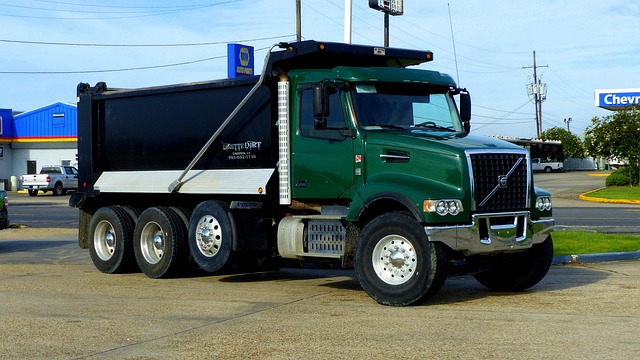
Implementing Eco-Friendly Disposal Systems is a pivotal strategy in the realm of waste management, particularly for events like festivals and special gatherings in Queens. These systems not only minimize environmental impact but also contribute to a more sustainable future. Festivals in Queens Special Event Waste Solutions have evolved to include innovative practices that significantly reduce waste generated during large-scale events. For instance, many organizers now employ comprehensive recycling programs, utilizing dedicated bins for different materials like paper, plastic, glass, and metal. A study by the New York City Department of Sanitation revealed that proper disposal systems can divert over 70% of event waste from landfills, leading to substantial environmental benefits.
One practical insight stems from the successful implementation of compostable material options. Many vendors now offer biodegradable plates, cups, and cutlery, ensuring these items decompose naturally rather than persisting as plastic waste. Additionally, green bin programs have been integrated into festival waste management, allowing for the collection and conversion of organic matter into nutrient-rich compost, which can be utilized to enhance local soil fertility. Queens Special Event Waste Solutions leaders, such as EcoFest, have set benchmarks by adopting these eco-conscious practices, attracting both attendees and sponsors committed to sustainability.
To foster effective change, event organizers should collaborate with waste management experts to design tailored strategies. This involves assessing the unique needs of each event while considering local regulations and available infrastructure. For instance, a music festival might require specialized systems for handling large volumes of disposable water bottles, potentially employing refill stations to encourage repeat use. By adopting these measures, Queens can become a leader in sustainable event management, setting an example for other communities worldwide.
Measuring and Enhancing Sustainability Post-Event

The measurement and enhancement of sustainability post-event is a critical aspect of responsible waste management, particularly for large-scale festivals and events like those held in Queens, New York. Effective strategies can significantly reduce environmental impact while fostering community engagement. One key metric to track is the diversion rate—the percentage of waste that is recycled or composted instead of ending up in landfills. According to a study by the Environmental Protection Agency (EPA), events with robust waste management programs can divert over 50% of generated waste, showcasing substantial environmental benefits.
Queens Special Event Waste Solutions for Festivals & Events play a pivotal role in achieving these goals. For instance, successful implementation of compostable food service items and clear signage can significantly increase recycling rates. At the 2019 Queens County Fair, organizers reported a 65% diversion rate, largely attributed to dedicated sorting stations and educational initiatives. Moreover, partnerships with local recycling facilities ensure that materials are processed efficiently, minimizing transportation emissions.
Practical insights for event planners include integrating digital tools for real-time waste monitoring and engaging volunteers or staff in waste sorting education. Data collection from these efforts allows for continuous improvement. For example, tracking specific waste streams can reveal areas for optimization—such as increasing the availability of compostable bags or promoting paperless ticketing to reduce non-recyclable material. Ultimately, by adopting Queens Special Event Waste Solutions and implementing data-driven strategies, event organizers can ensure their festivals and events leave a positive environmental footprint.
Through a comprehensive exploration of waste generation at events, efficient management strategies, best practices for Queens Special Event Waste Solutions, and enhancements through eco-friendly disposal systems, this article has underscored the critical role of sustainable event planning. Key insights include the importance of pre-event planning, utilizing innovative technologies, promoting guest participation, and collaborating with local organizations. Implementing these strategies, particularly in the context of Queens Special Event Waste Solutions for festivals and events, can significantly reduce environmental impact while fostering community engagement. Moving forward, measuring and enhancing sustainability post-event is crucial to continuous improvement, ensuring that every event contributes to a greener future.