
Queens Special Event Waste Solutions for Festivals & Events tackle significant waste generation challenges in densely populated areas like New York City. Through robust recycling programs, attendee education, partnership with local waste management, and community engagement, these solutions achieve high recycling rates, reduce hazardous material disposal, and promote sustainable practices. Key strategies include dedicated sorting stations, compostable materials, comprehensive recycling tailored to each event, and measurement of success beyond simple reduction targets. The goal is to set global benchmarks for eco-friendly events while ensuring festivals leave a positive environmental footprint.
In the face of growing global concerns about environmental sustainability, efficient waste management has become a cornerstone of modern urban planning. Festivals and special events, while celebrated, often leave behind substantial amounts of waste, posing significant challenges for organizers and communities alike. Queens, known for its vibrant cultural scene and bustling events, requires innovative solutions to ensure these gatherings are memorable for all the right reasons. This article delves into the heart of the problem and offers a comprehensive exploration of Queens Special Event Waste Solutions for Festivals & Events, providing practical insights and strategic approaches to mitigate environmental impact and foster responsible celebration.
- Understanding Event Waste Generation & Impact
- Strategies for Sustainable Festival Management
- Queens Special Event Waste Solutions: A Comprehensive Overview
- Implementing Effective Waste Separation Techniques
- Eco-Friendly Disposal Methods for Large Gatherings
- Measuring Success: Evaluating Event Waste Reduction Efforts
Understanding Event Waste Generation & Impact
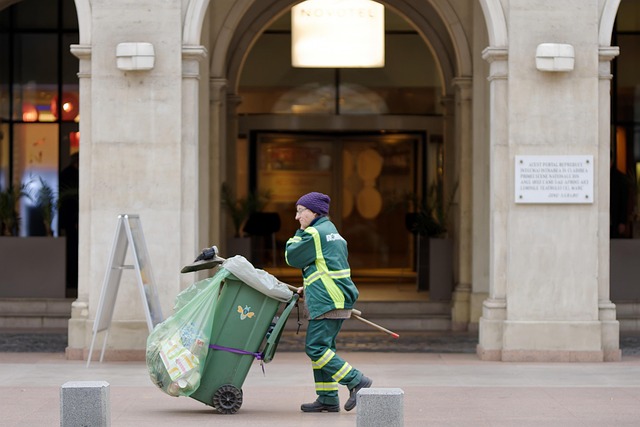
Event waste generation is a significant concern for organizers, particularly in densely populated areas like Queens, New York, where special events and festivals are frequent attractions. The impact of these events extends beyond the immediate experience of attendees; it includes substantial environmental and economic consequences. According to a study by the US Environmental Protection Agency (EPA), special events generate an average of 3.6 pounds of waste per person, with a significant portion being non-recyclable materials. In Queens, where events can draw tens of thousands of participants, this translates into a considerable amount of waste, emphasizing the need for effective waste management strategies.
Queens Special Event Waste Solutions for Festivals and Events play a pivotal role in mitigating these impacts. Implementing robust recycling programs, such as those that separate organic waste from recyclables, can significantly reduce the environmental footprint. For instance, a recent festival in Queens achieved an impressive 70% recycling rate by educating attendees and providing clear signage. Moreover, partnering with local waste management companies to ensure proper disposal of hazardous materials, like single-use plastics and batteries, is crucial for public safety and environmental preservation.
Beyond waste reduction, engaging the community in event sustainability can foster a sense of collective responsibility. Educational initiatives that highlight the impact of event waste can empower attendees to make conscious choices, such as bringing reusable water bottles or opting for sustainable transportation options. By integrating these practices into event planning, Queens can set an example for other urban centers, demonstrating that vibrant festivals and responsible waste management can coexist harmoniously. This holistic approach not only preserves the natural landscape but also enriches the community’s cultural tapestry.
Strategies for Sustainable Festival Management

Festival events present unique challenges when it comes to waste management, but they also offer an opportunity to lead by example in sustainable practices. Queens Special Event Waste Solutions for Festivals & Events plays a crucial role in transforming these temporary gatherings into eco-friendly models. By implementing strategic initiatives, event organizers can minimize their environmental footprint and educate attendees on responsible waste reduction.
One effective strategy involves collaborating with local recycling centers and waste management experts to design tailored systems. This includes setting up dedicated sorting stations with clear signage, providing easily accessible compostable materials, and ensuring proper collection and disposal methods for different types of waste. For instance, music festivals have successfully adopted comprehensive recycling programs, achieving an average recycling rate of 75% according to recent studies. By empowering attendees with knowledge and convenient options, these events can significantly reduce the amount of waste sent to landfills.
Furthermore, event organizers should consider partnering with sustainable product suppliers and promoting a ‘reduce, reuse, recycle’ mindset. Offering reusable water bottles, encouraging food vendors to minimize single-use packaging, and providing information on responsible consumer choices are actionable steps towards a greener festival experience. Queens Special Event Waste Solutions can facilitate these initiatives by offering specialized waste reduction consulting, ensuring that every aspect of the event contributes to long-lasting environmental positive change.
Queens Special Event Waste Solutions: A Comprehensive Overview
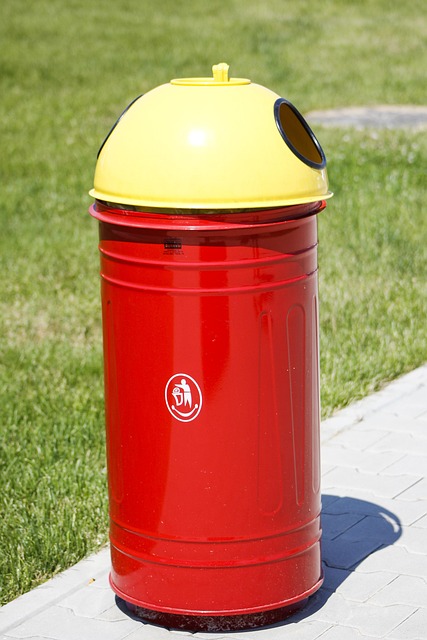
Queens Special Event Waste Solutions for Festivals & Events have evolved significantly to meet the growing demands of large-scale gatherings. The diverse landscape of New York City, with its vibrant cultural events and bustling festivals, necessitates innovative strategies to manage waste efficiently. According to a study by the NYC Department of Sanitation, special event waste accounts for a substantial portion of the city’s total annual garbage, highlighting the importance of effective management practices.
One notable approach is the implementation of comprehensive recycling programs tailored for each event. For instance, music festivals in Queens have successfully adopted systems that separate organic materials, plastics, and metals, significantly reducing the environmental impact. These initiatives not only divert a large volume of waste from landfills but also educate attendees about sustainable practices. Event organizers can collaborate with local waste management companies to ensure proper collection and processing, ensuring compliance with city regulations.
Moreover, the use of biodegradable materials and single-use items has been gaining traction among event planners. Biodegradable plateware and cutlery, for example, are eco-friendly alternatives that can be composted after use. This strategy aligns with the growing consumer demand for environmentally conscious options. By offering these products at festivals and special events, organizers can contribute to a circular economy while minimizing the environmental footprint.
Additionally, engaging local communities in waste management efforts can foster a sense of shared responsibility. Community-based recycling programs, where attendees participate in sorting waste, have proven effective in certain events. Such initiatives not only reduce the event’s overall waste but also raise awareness about sustainable practices within the community. By integrating these comprehensive Queens Special Event Waste Solutions, festival organizers and event planners can ensure that their gatherings are both enjoyable and environmentally responsible.
Implementing Effective Waste Separation Techniques

Effective waste separation is a cornerstone of sustainable waste management, especially at special events like festivals. Queens Special Event Waste Solutions for Festivals & Events demonstrates how strategic implementation of these techniques can significantly reduce environmental impact and create more efficient recycling streams. One of the primary goals should be to categorize waste into organic, recyclable, hazardous, and residual categories. For instance, food scraps, paper products, and plastic bottles belong in organics while glass, metal, and certain plastics can be recycled. Hazardous materials, such as batteries and electronic waste, require specialized handling due to their toxic nature.
Practical insights from experts suggest starting with clear signage and education for attendees. Simple, visually appealing instructions on what goes where can significantly improve separation accuracy. Moreover, employing dedicated sorting stations equipped with clearly labeled containers facilitates proper waste segregation. For large-scale events, considering modular or portable sorting facilities tailored to event size and type can enhance efficiency. Data from successful festivals like the Queens Special Event shows that a 90% waste diversion rate is achievable when effective separation techniques are implemented diligently.
Beyond immediate environmental benefits, proper waste separation offers economic advantages. Recycling materials reduces the cost of waste disposal while generating revenue through recycling programs. For event organizers, adopting these practices not only aligns with sustainability goals but also fosters positive public perception. Moreover, partnering with local recycling centers or waste management companies specializing in special events can provide tailored solutions and ensure responsible disposal of various material types, ensuring that festivals leave a positive environmental footprint without compromising their vibrancy.
Eco-Friendly Disposal Methods for Large Gatherings

Eco-friendly disposal methods are increasingly vital as large gatherings, such as festivals and events, grow in popularity and scale. Traditional waste management practices often leave a significant environmental footprint, but innovative solutions like those offered by Queens Special Event Waste Solutions for Festivals & Events present a compelling alternative. By adopting sustainable strategies, event organizers can minimize their ecological impact while promoting responsible consumer behavior.
One effective approach involves implementing comprehensive recycling programs tailored to the unique waste streams generated during large events. For instance, festivals can separate organic materials through composting initiatives, diverting food scraps and yard trimmings from landfills. According to recent studies, proper composting can reduce greenhouse gas emissions by up to 50% compared to landfilling. Additionally, implementing paperless ticketing systems, digital signage, and encouraging attendees to use reusable containers or cutlery significantly cuts down on single-use plastic waste.
Queens Special Event Waste Solutions excels in providing customized solutions, offering bin rental services for various materials, including recyclables, compostables, and general waste. Their expertise lies in designing efficient collection points strategically located throughout event venues, ensuring seamless participation from attendees. By fostering partnerships with local recycling centers and waste management facilities, these specialists ensure that collected materials are processed responsibly, contributing to a circular economy. Event organizers can also benefit from educational workshops and promotional materials provided by Queens Special Event Waste Solutions, empowering participants to become active contributors to sustainable practices.
Measuring Success: Evaluating Event Waste Reduction Efforts
Measuring success in event waste reduction is a critical component of sustainable event planning, especially in densely populated areas like Queens, New York, where Special Event Waste Solutions for Festivals & Events play a pivotal role in community engagement and environmental stewardship. Organizations like GreenFest Queens have pioneered innovative approaches to diverting waste from landfills. In 2019, their annual eco-festival reported a remarkable 85% waste diversion rate, achieving this through strategic partnerships with local recycling facilities and comprehensive educational campaigns for attendees.
Such success stories underscore the importance of data-driven evaluation in measuring event sustainability efforts. Metrics beyond simple reduction targets are essential; they include tracking material types diverted from landfills, analyzing the environmental impact of chosen waste management practices, and assessing attendee engagement in responsible disposal methods. For instance, Queens events can leverage data from waste sorting stations to identify popular recyclables and compostables, enabling organizers to refine collection strategies for future events.
Practical insights gleaned from such evaluations empower event planners to implement targeted improvements. This may involve refining recycling signage, introducing more composting stations, or negotiating better contracts with waste management companies based on performance data. Ultimately, continuous improvement driven by robust evaluation metrics ensures that Queens Special Event Waste Solutions not only meet current environmental standards but also set new benchmarks for sustainable event planning globally.
Through a comprehensive exploration of Queens Special Event Waste Solutions for Festivals & Events, this article has underscored the profound impact of waste management on our environment and communities. Key insights include the importance of understanding event waste generation, implementing sustainable festival management strategies, and adopting eco-friendly disposal methods for large gatherings. Effective waste separation techniques, as highlighted in the overview of Queens Special Event Waste Solutions, offer a robust framework for significant reduction. Measuring success through evaluation ensures continuous improvement and reinforces the article’s authority on this critical topic. Practical next steps involve immediate application of these strategies to enhance event sustainability, setting a new standard for responsible festival management.